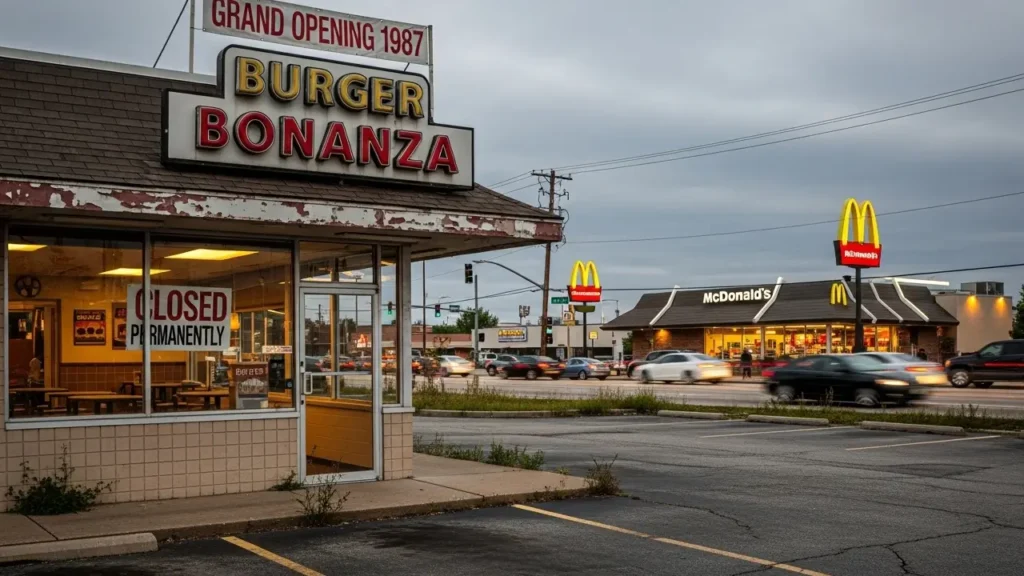
The global fast food industry is constantly evolving, with brands expanding, restructuring, or sometimes shutting down operations. Recently, news surrounding a McDonald’s rival closes situation has captured attention across the food service sector. The closure of a well-known competitor highlights shifting consumer behavior, rising operational costs, and increasing competition in the quick-service restaurant market.
This development is not just about one brand stepping back. It reflects deeper changes in how people eat, where they spend money, and what they expect from fast food chains. In this article, we explore the reasons behind these closures, their impact on the market, and what the future may hold for major fast food brands.
Why McDonald’s Rival Closes Multiple Locations
There are several key reasons why a major fast food competitor may decide to close stores. One of the most common factors is rising operational costs. Expenses such as rent, labor wages, and supply chain costs have increased significantly in recent years, putting pressure on profit margins.

Another important factor is changing consumer preferences. Customers today are more health-conscious and increasingly interested in fresh, organic, or locally sourced food. Traditional fast food chains that fail to adapt quickly may struggle to maintain their customer base.
Impact of Closures on the Fast Food Industry
When a McDonald’s rival closes outlets, it creates ripple effects throughout the industry. Competitors may benefit from reduced competition in certain areas, gaining access to new customers. However, it also signals a warning sign for other brands facing similar challenges.
Industry experts suggest that closures often lead to market consolidation, where stronger brands expand while weaker ones shrink. This shift can reshape the competitive landscape and influence pricing, menu offerings, and customer experience across the sector.
Changing Trends in Consumer Behavior
Modern consumers are no longer satisfied with just fast and affordable food. They now seek quality, transparency, and convenience. Digital ordering, delivery services, and customization options have become essential features for any successful fast food chain.
Additionally, younger consumers prefer brands that align with their values, such as sustainability and ethical sourcing. Companies that fail to address these expectations risk losing relevance in a highly competitive market.
Financial Pressures and Economic Challenges
Economic uncertainty has also played a role in recent closures. Inflation has affected both businesses and consumers, leading to reduced spending in some regions. For fast food chains, maintaining profitability becomes more difficult when ingredient costs rise and customer traffic declines.
Franchise-based models can also contribute to closures. Individual franchise owners may struggle to meet financial targets, leading to store shutdowns even if the overall brand remains strong globally.
How Major Brands Are Responding
In response to these challenges, leading fast food companies are focusing on innovation and efficiency. Many are investing in digital platforms, automated kitchens, and streamlined menus to reduce costs and improve service speed.
Some brands are also experimenting with smaller store formats, drive-thru-only locations, and ghost kitchens. These strategies help reduce overhead expenses while catering to the growing demand for delivery and takeout services.
Opportunities Created by Competitor Closures
While closures may seem negative, they also create opportunities for other players in the market. Competitors can expand into newly available locations, hire experienced staff, and attract customers who are looking for alternatives.

This situation encourages innovation and competition, ultimately benefiting consumers through better services and more diverse food options.
Future Outlook of the Fast Food Industry
The fast food industry is expected to continue evolving in response to technological advancements and changing consumer demands. Brands that prioritize adaptability, customer experience, and sustainability are more likely to succeed in the long term.
Closures of certain chains do not indicate the decline of the industry as a whole. Instead, they represent a shift toward more efficient and customer-focused business models.
Fast Food Industry Trends
| Category | Details |
|---|---|
| Market Shift | Focus on digital ordering and delivery services |
| Consumer Preference | Health-conscious and sustainable food choices |
| Cost Factors | Rising labor, rent, and ingredient costs |
| Technology Adoption | Automation, mobile apps, and AI-driven ordering |
| Business Models | Smaller outlets, ghost kitchens, drive-thru expansion |
Conclusion
The news that a McDonald’s rival closes multiple locations highlights important changes within the fast food industry. From rising costs to shifting consumer expectations, businesses must adapt quickly to survive and grow.
While closures may seem concerning, they also drive innovation and open new opportunities for stronger brands. The future of the industry will depend on how well companies respond to these evolving challenges and deliver value to modern consumers.
Frequently Asked Questions (FAQs)
1. Why are fast food chains closing stores?
Fast food chains may close stores due to rising costs, reduced customer traffic, or changes in consumer preferences.
2. Does this mean the fast food industry is declining?
No, the industry is evolving rather than declining. Strong brands continue to grow while weaker ones restructure.
3. How do closures affect customers?
Customers may lose access to certain locations but often gain new options as competitors expand.
4. What trends are shaping the fast food market?
Key trends include digital ordering, delivery services, healthier menu options, and sustainability.
5. Will more fast food chains close in the future?
Some closures are expected as the market adjusts, but many brands will continue to innovate and expand.


Hi, I’m Anas — the mind behind Business Insider. I started this platform to share my interest in business and finance in a way that’s simple, honest, and actually useful. I enjoy breaking down complex ideas into something anyone can understand, whether it’s about making money, managing it, or growing a business. Through this site, I aim to provide practical insights, real knowledge, and content that genuinely helps people move forward.